
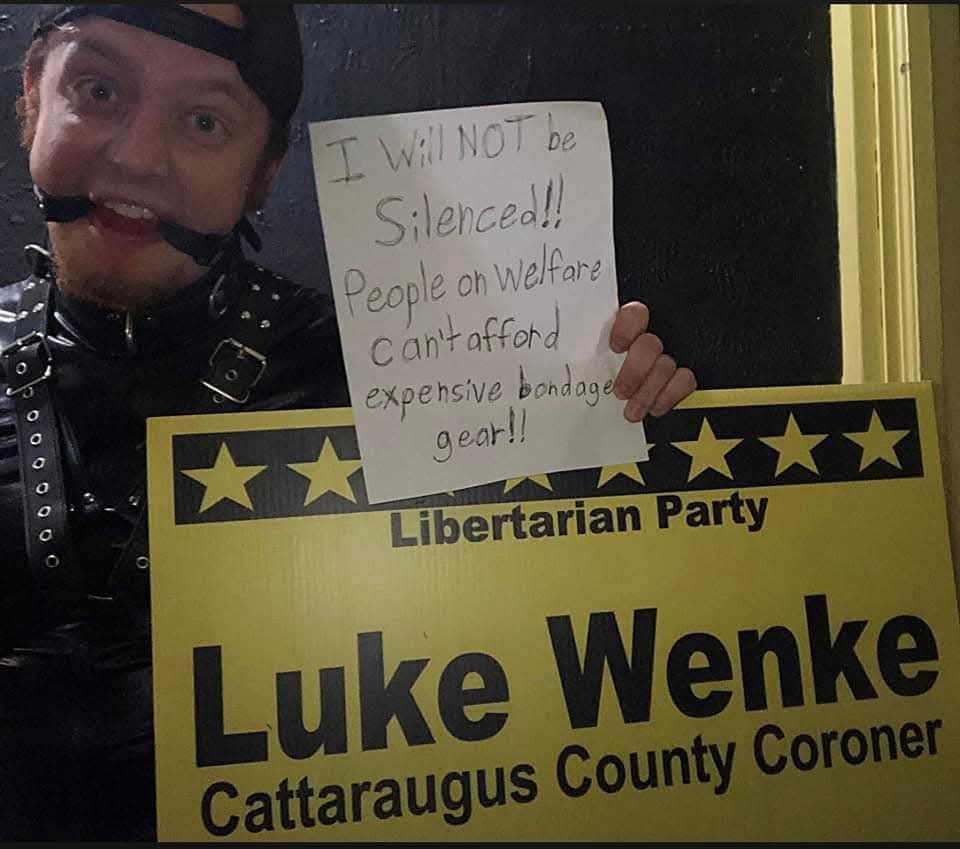
During the summer of 2023, Luke Wenke was found guilty of violating the conditions of his supervised release by indirectly contacting his cyberstalking victim by emailing the victim’s business partner. He was sentenced to time served and 34 months of continued probation.
Shortly thereafter, Wenke’s public defender filed an appeal on his behalf via the U.S. Second Circuit Court of Appeals in New York City. This was the first of two appeals cases that Wenke has pursued thus far throughout his ongoing legal saga.
The following document states that during a phone conversation in October 2023, Wenke’s public defender advised Wenke of his plan to file an Anders brief if Wenke continued to pursue his appeal. My legal knowledge is extremely limited, but from my understanding, a public defender files an Anders brief when they find the defendant’s appeal argument to be without merit or based on frivolous grounds.
Luke Wenke signed a motion to withdraw his appeal after his public defender warned of his plan to file an Anders brief.
After speaking with his public defender and considering his options, Wenke signed an affirmation stating that he wished to withdraw his appeal. At the time, he was in custody on federal remand at the Cattaraugus County Jail for similar alleged violations.
Wenke later denied ever consenting to withdraw his appeal in a letter to the court, claiming that someone must’ve forged his handwriting. I’m sharing the motion so people can decide for themselves whether or not they believe this allegation.
USA v. Luke Wenke – Motion to Withdraw Appeal
November 1st, 2023
CASE #23-6964, DOC. #10
USA v. Luke Wenke – APPEAL – Case #25-1165 – Motion to Withdraw – Doc. #10Categories: Luke Wenke, appeals, Court Documents, False Allegations: forgery
Tags: Buffalo, NY; Cattaraugus County, Cattaraugus County Jail, conditions of supervised release, contact ban violations, cyberstalking, indirect contact, interstate threats; Little Valley, NY; probation violations, unwanted contact, U.S. Bureau of Prisons, Victim 1, violations of supervised release (VOSR)