The Luke Wenke Files

Since 12/2024 – LONG after the stalking began!
Tag: indirect contact
-
Luke Wenke’s Alleged 2023 Probation Violations

On October 4th, 2023, Luke Wenke was arrested for allegedly violating federal probation. He had recently been found guilty of one previous violation charge, but was accused of continuing to contact his victims in violation of state-issued protective orders and federally-imposed contact bans. This time around, Wenke was charged with five violations, the nature of
-
Luke Wenke APPEAL | Appellant’s Brief
In this appellant’s brief, Luke Wenke challenges the district court’s decision to involuntarily commit him to a mental health facility. Authored by Wenke’s public defender at the time, the document argues that there was insufficient evidence to justify hospitalizing Wenke, even if he suffered from a mental illness. The defense accuses the prosecution’s expert witness,
-
COMPLAINT: Luke Wenke Is Attempting to Sue Me
To read Luke Wenke’s handwritten complaint, scroll to the bottom of this page. After years of making seemingly baseless threats to sue numerous people and entities with no evidence of any meaningful action being taken, Luke Wenke has attempted to file a federal lawsuit against me from behind bars at the Monroe County Jail in
-
Luke Wenke Feels Owed, Demands Reparations

The screenshot galleries are a work in progress. Please check back for updates! Luke Wenke Screenshot Gallery: Demands, Entitlement, & Feeling Owed 2025 December 2025 12/17/2025: X/Twitter, 10:07 AM: 12/14/2025: X/Twitter, 09:48 PM: 12/13/2025: X/Twitter, 08:22 AM: X/Twitter, 08:21 AM: 12/11/2025: X/Twitter, 09:26 AM: 12/06/2025: X/Twitter, 06:34 PM: 12/02/2025: X/Twitter, 07:06 AM: 12/01/2025: X/Twitter, 01:08
-
MEMORANDUM: Prosecution Urges Judge to Send Luke Wenke Back to Prison for Violating Probation
During the summer of 2023, Luke Wenke was found guilty of violating the terms of his federal supervised release by contacting his cyberstalking victim’s business partner. More specifically, the judge determined that Wenke was responsible for a “vitriolic” email that had been sent to the victim’s colleague, thereby constituting a violation via indirect contact with
-
Federal Prosecutors Accuse Luke Wenke of Indirectly Contacting Cyberstalking Victim; Defense Argues to the Contrary
In May of 2023 — just six weeks after his release from federal prison — Luke Wenke was arrested on a federal violation of supervised release (VOSR) charge for allegedly indirectly contacting his cyberstalking victim. More specifically, federal prosecutors accused Wenke of sending a vitriolic email to the victim’s business partner, allegedly with the awareness
-
USA v. Luke Wenke | Arrest Warrants
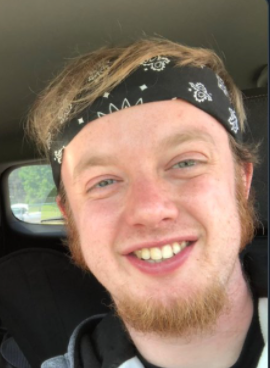
The first PDF viewer contains the most recent federal warrant against Luke Wenke, who was arrested on December 17th, 2025 on his second cyberstalking charge. The PDF viewer below it contains warrants pertaining to Luke Wenke’s first federal cyberstalking case and subsequent alleged violations of supervised release. USA v. Luke Wenke – Warrant 01/15/2026 CASE
-
Luke Wenke to Victim’s Colleague: “George Floyd is dead and that’s a good thing”

Luke Wenke was accused (and later convicted) of sending the following self-pitying diatribe to his cyberstalking victim’s business partner just weeks after his release from federal prison in 2023. Prosecutors argued that this constituted indirect contact, thereby violating a court-imposed condition of supervised release banning Wenke from contacting his victim in any form. In addition
-
USA v. Luke Wenke Judgment: GUILTY of Violating Federal Probation
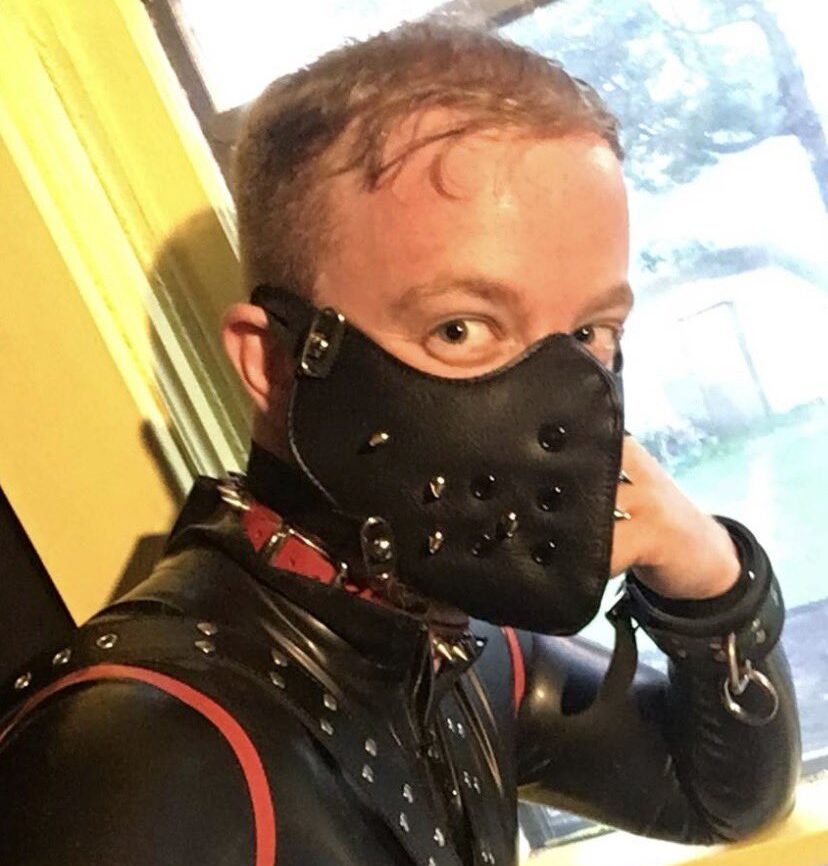
During a court hearing on August 10th, 2023, the federal judge overseeing convicted cyberstalker Luke Wenke’s case found Wenke guilty of violating the conditions of his supervised release by indirectly contacting his cyberstalking victim. This occurred in the form of a volatile email that Wenke sent to his cyberstalking victim’s business partner just weeks following
-
TRANSCRIPTS: USA v. Luke Wenke Probation Violation Hearing
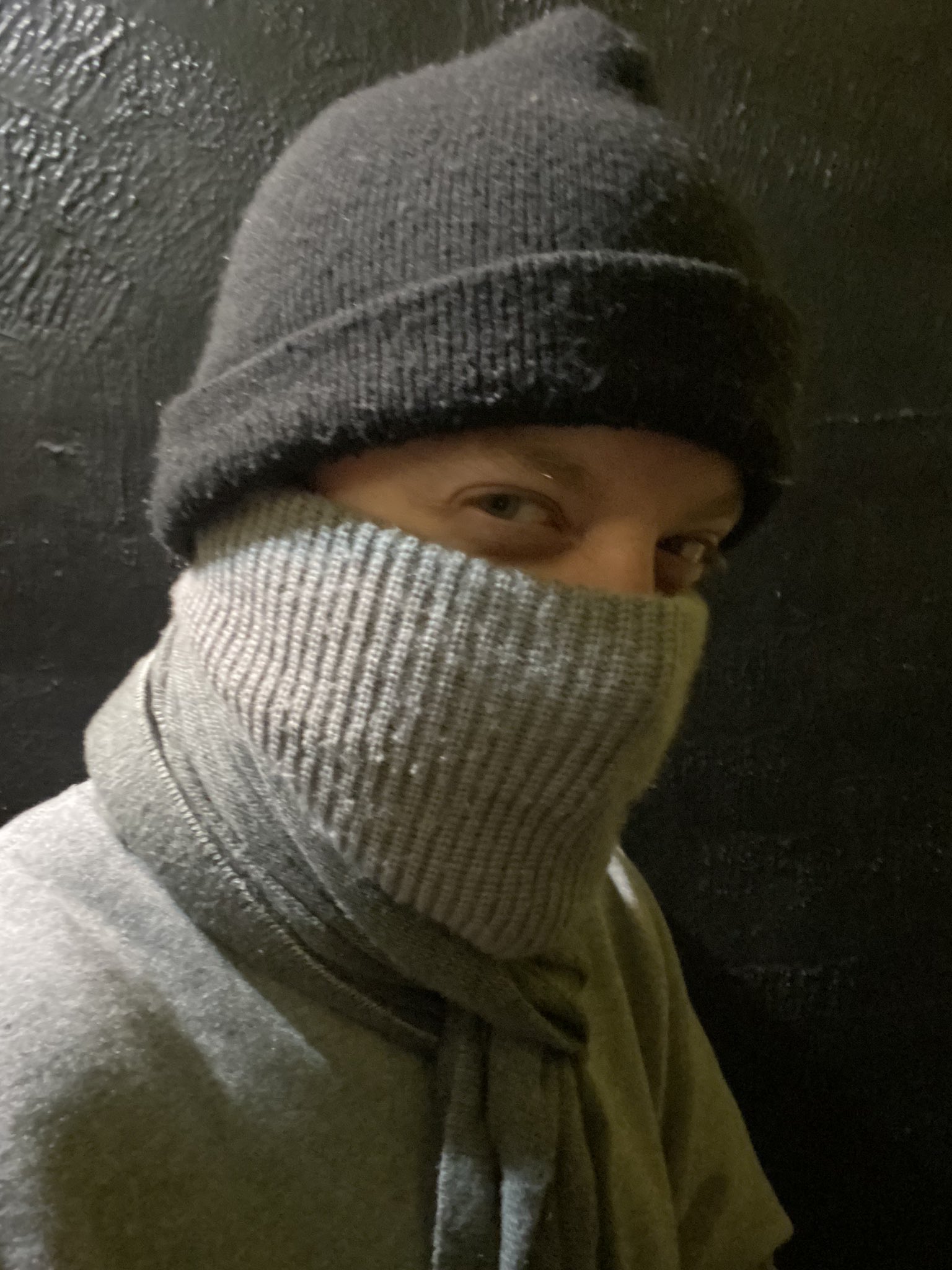
The two transcripts below contain word-for-word accounts of what was said during court hearings that took place on June 21st, 2023 and June 23rd, 2023. Luke Wenke was accused of violating the terms of his federal supervised release by indirectly contacting his cyberstalking victim via an encrypted email that was sent to the victim’s business